 English
 Español


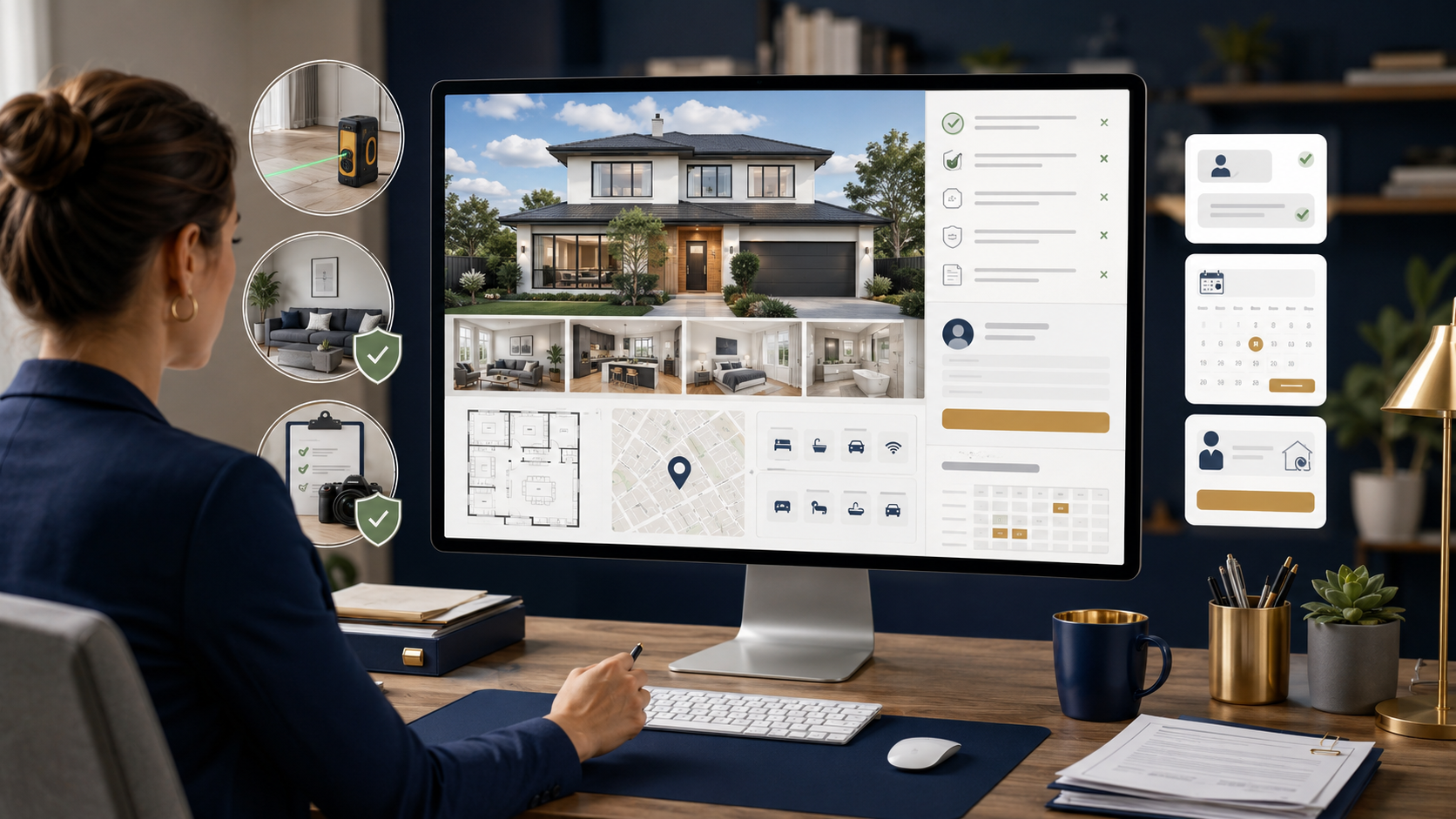
How to Create a Complete and Trustworthy Property Listing
Properties
A strong property listing helps prospective buyers or renters evaluate whether a home, apartment, commercial space, or other property fits their needs before requesting a viewing. Accurate details save time, reduce repetitive questions, and establish trust. Attractive presentation matters, but it should never replace truthful information.
Identify the property and transaction clearly
State whether the property is offered for sale, rent, lease, vacation use, or another permitted arrangement. Select the correct property type and category. Provide the general location and map information required by the marketplace while protecting access codes, security details, and other information that should not be public.
Confirm that the person posting is authorized to advertise the property. Owners, agents, managers, and representatives should use the appropriate account information and disclose their role as required.
Use accurate property facts
List the number and type of rooms, bathrooms, parking spaces, levels, and other essential features. Provide square footage, lot size, year information, unit number, zoning, or similar details only when they are known and appropriate to the listing. Identify whether a measurement is approximate and confirm the source.
Do not copy specifications from a nearby or similar property. Small differences can materially affect a decision. Check documents, prior records, and current physical conditions before publishing.
Create an honest visual tour
Begin with a clear primary photograph that represents the property. Add exterior views, principal rooms, kitchen, bathrooms, storage, outdoor areas, parking, shared spaces, and notable features. Use good natural or balanced light, but avoid edits that misrepresent room size, view, condition, or permanent features.
Photograph damage or limitations that a serious prospect should understand. Remove personal documents, family photographs, access information, vehicle plates, and other sensitive details. If staging, virtual furniture, enhanced skies, or conceptual renovations are used, disclose them clearly according to platform practices and applicable requirements.
Explain condition, amenities, and restrictions
Describe renovations, appliances, utilities, accessibility features, climate systems, furnishings, shared amenities, and maintenance responsibilities accurately. Clarify what is included and what belongs to a current occupant or staging company.
For rental listings, state relevant lease terms, deposits, fees, utility responsibilities, availability, application process, and pet or smoking policies as permitted. For sales, provide the appropriate contact process for disclosures, inspections, association information, or other documents.
Write for the property—not the preferred resident
Describe physical features, location conveniences, and objective terms rather than the type of person you want to live there. Avoid wording that expresses preferences or limitations based on protected characteristics. Housing advertising rules can vary by jurisdiction and transaction type, so obtain qualified guidance for the markets where you operate.
Use neutral phrases such as proximity to transportation or the presence of a fenced yard instead of assumptions about who would value those features. The listing should give every qualified prospect the same opportunity to evaluate the property.
Set transparent pricing and costs
Display the requested price or rent accurately and identify additional required charges when the platform provides fields for them. Avoid hidden fees and artificial price changes intended only to appear in more searches. Explain whether utilities, parking, furnishings, maintenance, association costs, or other services are included.
Provide a safe inquiry and viewing process
Use official messaging and scheduling tools when available. Verify the identity and authority of anyone requesting money or documents. Prospects should be cautious of demands for deposits before they can verify the property and arrangement; legitimate owners and representatives should use a transparent application and payment process.
Protect occupied properties by scheduling visits appropriately and avoiding public instructions that reveal when a home is empty. Follow local safety practices for showings and keep records of appointments.
Keep the listing current
Update availability, pricing, viewing schedules, pending status, and material property changes promptly. Remove or archive listings when the property is no longer available. An outdated listing wastes prospects' time and can expose the property to impersonation or fraud.
Property listing checklist
- Confirm authorization to advertise the property.
- Use the correct transaction type, category, and location.
- Verify measurements, features, condition, and availability.
- Publish current, honest, privacy-conscious photographs.
- Disclose important terms, costs, inclusions, and limitations.
- Use objective language and follow applicable housing rules.
- Provide a secure inquiry, viewing, document, and payment process.
Help prospects make an informed decision
The best property listing is not the one with the most dramatic description. It is the one that combines appealing presentation with complete facts, fair access, and a dependable next step. That foundation attracts better-matched inquiries and protects trust throughout the transaction.